Impact & Roadmap
Where we're headed and how we'll get there. We're committed to honesty — we share our plans openly and will publish verified outcomes as our programs mature.
Strategic Priorities
Five goals that will guide our work over the next five years — from institutional consolidation to geographic expansion.
Institutional Consolidation
2026Strengthen governance, financial systems, staffing, and operational infrastructure to build a robust and sustainable organization.
Program Scale-Up
2027–2028Expand all ten programs to reach more beneficiaries across Kakuma and Kalobeyei, with increased resources and capacity.
MEAL Maturity
2029Develop a comprehensive Monitoring, Evaluation, Accountability, and Learning system to measure and demonstrate impact.
Geographic Expansion
2030Extend operations beyond Kakuma and Kalobeyei to serve additional communities across Turkana West Sub-County.
Sustainable Financing
2026–2030Diversify funding streams through partnerships, social enterprise, and community contributions to ensure long-term financial sustainability.
Our Roadmap
A four-phase journey from institutional consolidation to geographic expansion.
Establish governance systems, recruit core staff, launch initial programs, and build community awareness and trust.
Expand program reach, deepen partnerships, increase beneficiary numbers, and strengthen operational capacity.
Implement full monitoring, evaluation, accountability, and learning systems. Begin publishing verified outcome data.
Extend geographic reach across Turkana West Sub-County and beyond. Diversify funding and pursue sustainable financing models.
Success Stories
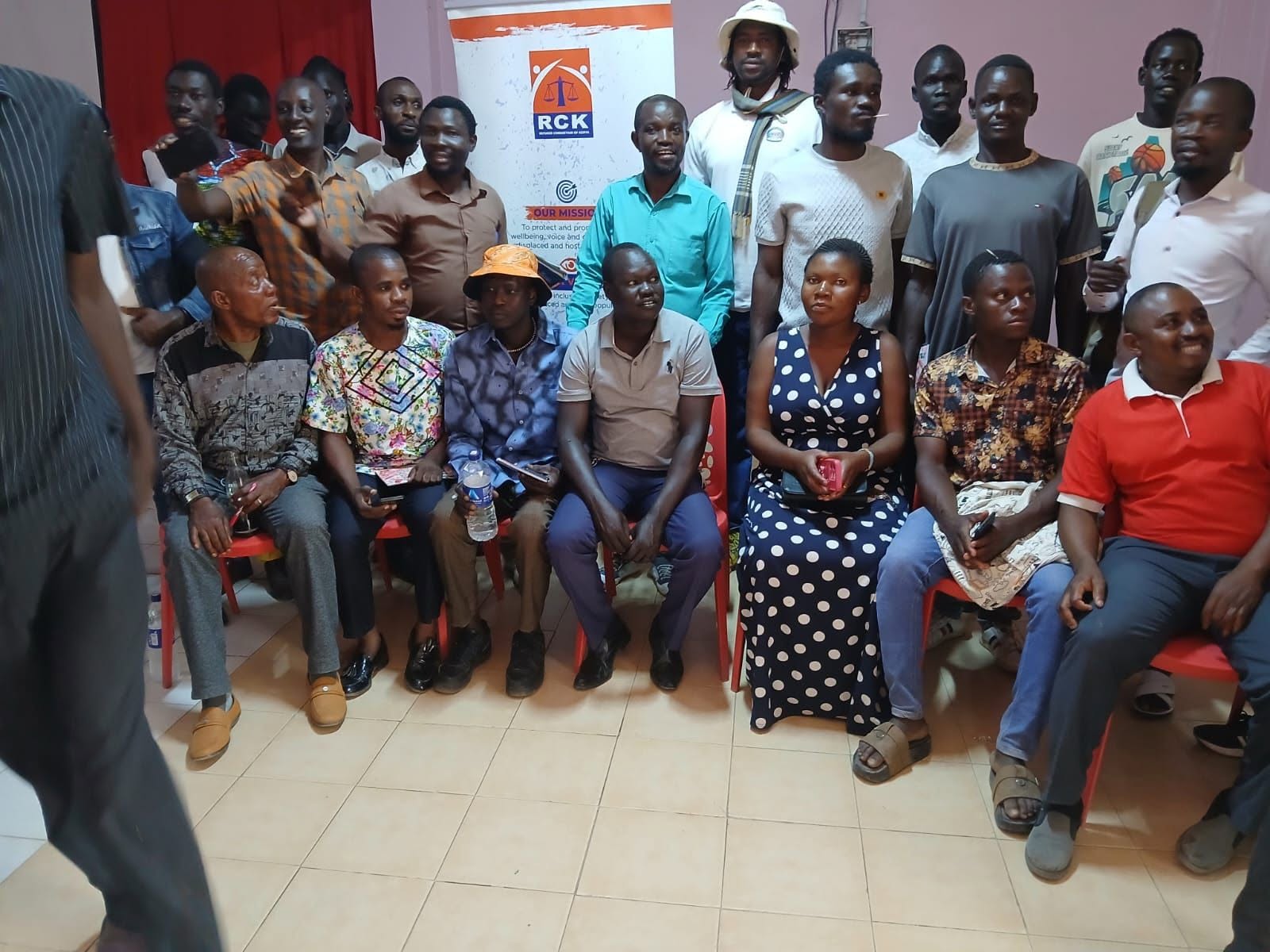
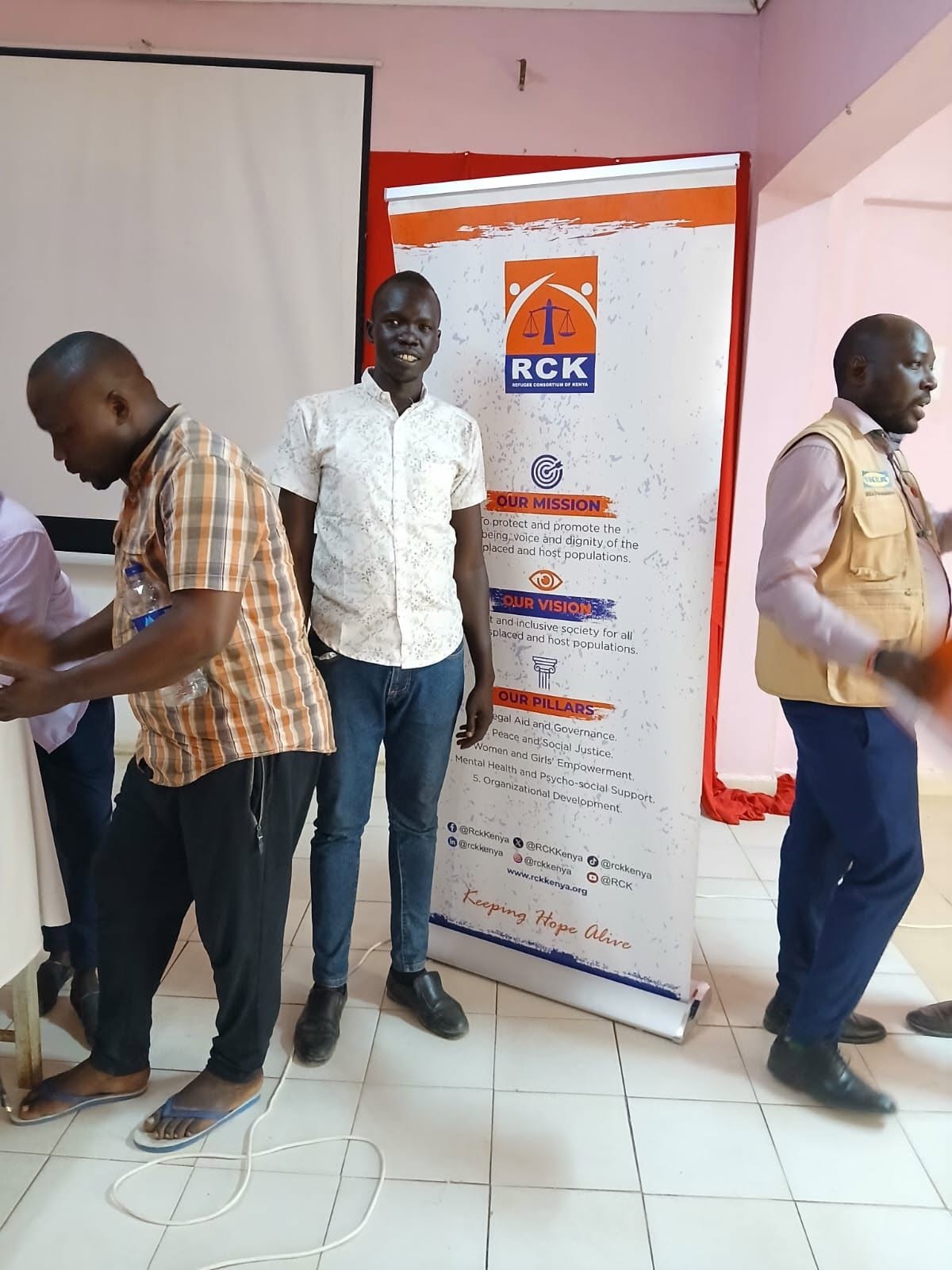
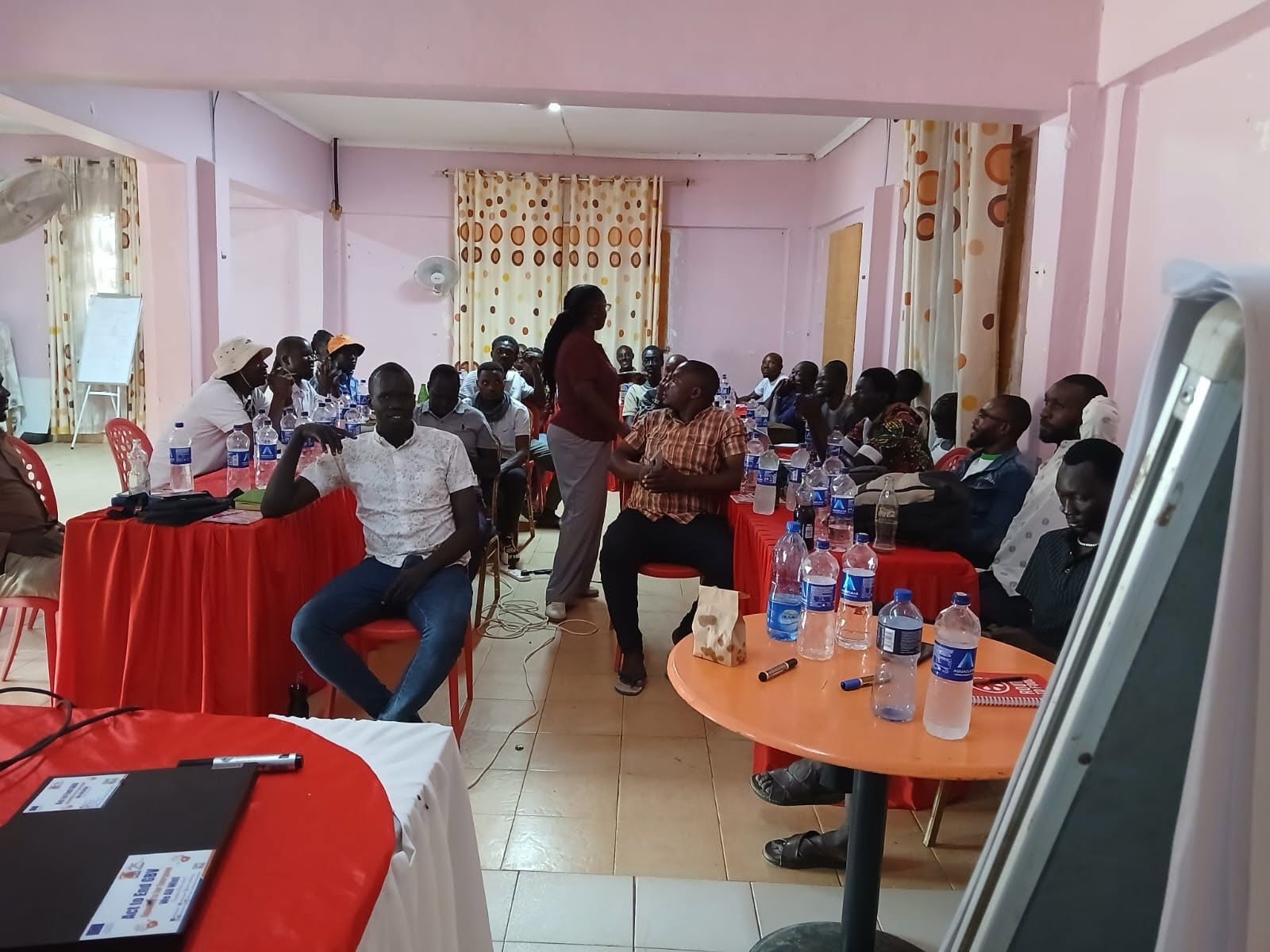
Our First Stories Are Being Documented
Our first stories are being documented. As our programs mature and outcomes are verified, we will share the real stories of transformation from our community. We are committed to honesty — we will only publish what we can prove.
From Inputs to Impact
Our theory of change connects every resource to the lasting change we seek to create.
Community mobilization, local and external partnerships, financial resources, volunteer time, training materials, and institutional infrastructure.
Literacy and ICT classes, savings groups, vocational training, mentorship programs, sanitation campaigns, sports leagues, advocacy workshops, and welfare support.
Trained individuals, established savings groups, constructed facilities, planted trees, organized events, and distributed materials.
Improved literacy and digital skills, increased household incomes, reduced school dropouts, better hygiene practices, stronger social cohesion, and greater inclusion of PWDs and women.
A self-reliant, educated, peaceful, and empowered community living with dignity, harmony, and equal opportunities for all.